
By Lillah Grey March 24, 2026
Running a business in Kentucky means more than just selling. Every transaction must be recorded, tracked, and reported for taxes. Form 1099-K often confuses merchants because its figures rarely match bank deposits or accounting records.
This confusion comes from misunderstanding. Form 1099-K does not show profit or actual bank deposits. It reports total processed payments before deductions like fees, refunds, and chargebacks. As a result, the form’s number is typically higher than merchants expect.
For Kentucky business owners, understanding how Kentucky 1099-K merchant processing works and how to reconcile processor deposits before tax season is extremely important. Proper reconciliation helps prevent reporting errors, reduces the risk of IRS notices, and makes tax preparation much smoother. When done correctly, reconciliation also gives you a clearer picture of your real revenue and business performance.
This guide explains everything in clear, simple language so any business owner can understand the process, even without an accounting background. By the end, you will understand how to read your Form 1099-K, how to match it with your processor reports, and how to make sure your financial records are accurate before filing taxes.
Table of Contents
What Form 1099-K Means for Kentucky Merchants
Form 1099-K is issued by payment processors to report the total payment transactions processed for your business during the year. This includes payments made through credit cards, debit cards, and third-party payment networks. The IRS uses this form to make sure businesses properly report their income.
It is important to understand that this form is informational. It does not automatically determine your taxable income. Instead, it provides a starting point that must be adjusted using your bookkeeping records.
One of the biggest misunderstandings merchants have is believing the number on Form 1099-K represents what they earned. In reality, it represents gross transaction volume.
This means it includes:
- Total card sales before fees
- Sales that were later refunded
- Transactions that resulted in chargebacks
- Processing costs
- Sales taxes collected
- Tips processed through payment systems
Because of this, merchants must rely on proper merchant account reconciliation practices rather than assuming the number is the final income.
Understanding how payment processor tax reporting works in Kentucky helps business owners avoid mistakes that could lead to overpaying taxes or creating discrepancies in financial reports.
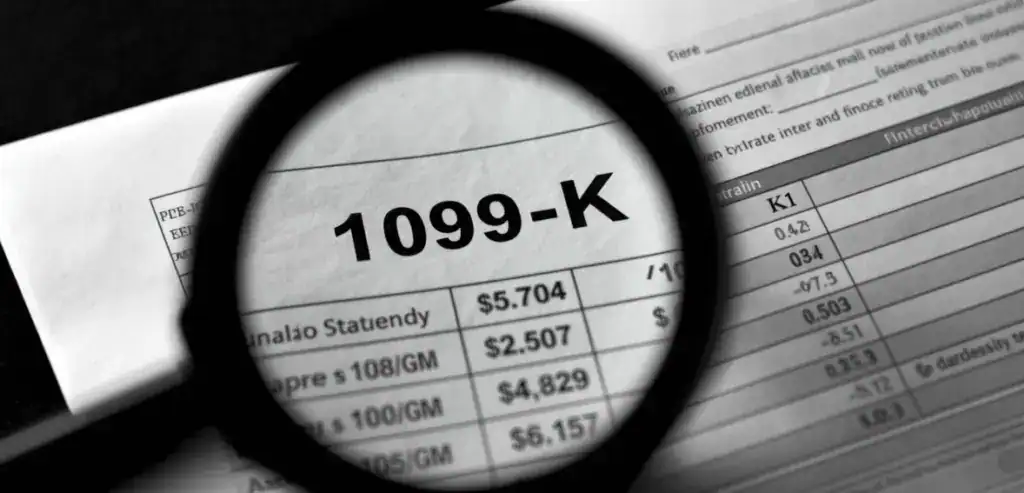
Why Form 1099-K Totals Usually Do Not Match Bank Deposits
One of the most common concerns merchants have is that their Form 1099-K shows a number that is significantly higher than what they actually received in their bank account. This is completely normal and expected.
Payment processors report gross sales totals. However, the deposits you receive are net deposits. Net deposits are what remain after fees, refunds, and adjustments are removed.
For example, imagine your business processes $250,000 in card payments during the year. Your processor may deduct $7,500 in fees, $10,000 in refunds, and $5,000 in chargebacks. This means your bank deposits may total around $227,500. However, your Form 1099-K will still report $250,000 because it shows gross payments.
This difference is exactly why reconciling processor deposit practices is necessary.
Proper credit card batch deposits and bookkeeping ensure you track:
- Gross sales
- Processing costs
- Refund totals
- Deposit amounts
- Adjustments
When these records are maintained properly, the differences between Form 1099-K and your bank deposits become easy to explain and document.
Understanding What Payment Processors Actually Report
To reconcile properly, merchants must understand exactly what their payment processors are reporting to the IRS.
Processors typically report:
Transactions Included in 1099-K Reporting
- Credit card purchases
- Debit card payments
- Contactless payments
- Mobile wallet payments
- Online checkout transactions
- Subscription payments
- Recurring billing payments
However, processors do not reduce this number for business costs.
Items Not Subtracted From Processor Totals
- Processing fees
- Refund transactions
- Customer disputes
- Chargeback penalties
- Monthly service costs
- Gateway fees
This is why payment processor reports accounting must always include adjustments that your processor does not make on your behalf.
Once merchants understand this structure, they realize the reconciliation process is simply identifying the differences between gross activity and actual earnings.
Why Merchants Should Reconcile Processor Reports Before Tax Season

Many merchants wait until tax season to review their records. This often leads to stress, errors, and rushed corrections. The best practice is to perform reconciliation regularly throughout the year.
Reconciling before tax season provides several benefits.
First, it prevents accidental income overreporting. Many merchants who skip reconciliation report the full 1099-K total as income, which can result in paying taxes on money that was never kept.
Second, it allows merchants to detect missing or duplicate transactions. This improves financial accuracy.
Third, it reduces the risk of IRS questions because your records clearly show how totals were calculated.
Fourth, it makes merchant payment tax preparation much faster because records are already organized.
Fifth, it improves financial visibility so merchants understand their real revenue instead of just gross processing volume.
These advantages show why proper 1099-K reconciliation guide procedures should be part of every merchant’s financial routine.
Reports You Should Collect Before Starting Reconciliation
Preparation is important. Before starting reconciliation, merchants should gather all relevant reports to ensure nothing is missed.
These documents provide the foundation for accurate reconciliation and should always be saved for recordkeeping purposes.
Important Reports to Collect
- Form 1099-K annual report
- Monthly merchant statements
- Processor transaction summaries
- Bank deposit records
- Refund summaries
- Fee reports
- Chargeback documentation
- Accounting ledger reports
- Batch settlement reports
Having these reports available makes merchant account reconciliation significantly easier and prevents incomplete calculations.
Step-by-Step Guide to Reconciling Processor Deposits
The reconciliation process becomes simple when broken into structured steps. Professional accountants follow a consistent approach that merchants can also use.
Step 1: Confirm Annual Gross Processing Totals
Start by comparing your yearly processor transaction report to your Form 1099-K.
These numbers should match or be very close.
If they do not match, check:
- Whether multiple processor accounts exist
- Whether corrected forms were issued
- Whether year-end timing differences occurred
This establishes your baseline number.
Step 2: Calculate Total Processing Fees
Next, determine your total processing costs. These are business expenses and should never be treated as income.
Common fees include:
- Transaction percentage fees
- Per transaction charges
- Monthly account fees
- PCI compliance charges
- Equipment lease costs
- Gateway service costs
Tracking these properly improves payment processor reports accounting accuracy.
Step 3: Identify Total Refund Activity
Refunds directly reduce revenue. These must be tracked separately from expenses.
Refund tracking should include:
- Customer refunds
- Product returns
- Service cancellations
- Voided transactions
Merchants who skip this step often overstate income.
Step 4: Review Chargebacks and Disputes
Chargebacks represent reversed transactions and must be documented clearly.
These include:
- Customer disputes
- Fraud reversals
- Processor penalties
- Chargeback processing fees
Accurate tracking strengthens your 1099-K reconciliation guide documentation.
Step 5: Match Processor Deposits to Bank Records
Now compare processor payouts with your bank deposits.
Remember that processors usually combine multiple batches into deposits.
Check:
- Deposit dates
- Deposit totals
- Batch references
- Adjustments
- Delayed settlements
This confirms the correct reconcile processor deposit procedures.
Step 6: Record Proper Accounting Entries
After identifying differences, record them properly.
Typical entries include:
- Recording gross sales
- Recording processing expenses
- Recording refunds
- Recording chargeback losses
This ensures accurate merchant payment tax preparation records.
Common Reconciliation Mistakes Merchants Should Avoid
Even successful merchants sometimes make reconciliation errors. Knowing these mistakes can help you avoid them.
Common Errors Seen in Merchant Reconciliation
- Recording only deposits instead of gross sales
- Ignoring processor fees
- Forgetting to track refunds
- Missing chargeback adjustments
- Combining cash and card totals incorrectly
- Ignoring settlement timing differences
- Not reconciling multiple processors
Avoiding these mistakes helps ensure accurate payment processor tax reporting that Kentucky merchants must maintain.
Why Monthly Reconciliation Is Better Than Annual Reconciliation
Many merchants try to reconcile only once per year. This creates unnecessary work and increases the chance of errors.
Monthly reconciliation spreads the work across the year and improves accuracy.
Benefits include:
- Easier error detection
- Better expense tracking
- Improved profit monitoring
- Faster tax filing
- Better budgeting decisions
A monthly review is considered a best practice in credit card batch deposit bookkeeping.
How Processor Reports Can Reveal Financial Problems
Processor reports are valuable financial tools. They often reveal problems merchants may not notice in their accounting system.
Issues Payment Processor Reports Can Reveal:
- Duplicate revenue entries
- Missing sales records
- Fee misclassification
- Deposit mismatches
- Refund recording errors
- Fraud patterns
Regular analysis improves merchant account reconciliation reliability.
Understanding Settlement Timing Differences
Settlement timing is another major source of confusion.
Transactions are recorded when sales occur. Deposits occur when processors transfer funds.
For example:
A sale on December 30 may settle on January 2.
Form 1099-K reports are based on the transaction date.
Bank records reflect the deposit date.
This creates temporary differences.
Proper accounting handles this by:
- Recording revenue when earned
- Tracking unsettled batches
- Matching deposits later
Understanding this improves the payment processor reports’ accounting practices.
Best Bookkeeping Habits for Merchant Payment Accuracy
Strong bookkeeping habits eliminate most reconciliation problems.
Merchants should create consistent financial routines.
Recommended Merchant Bookkeeping Practices
- Record daily gross card sales
- Separate processor expenses
- Track refunds in real time
- Maintain monthly reconciliation
- Save processor statements
- Document unusual transactions
- Maintain organized digital records
These habits support accurate Kentucky merchant processing compliance.
How Technology Can Make Reconciliation Easier
Technology continues to simplify reconciliation.
Modern accounting platforms can:
- Import processor data automatically
- Match deposits using AI tools
- Categorize expenses
- Flag discrepancies
- Generate reconciliation reports
Automation reduces manual errors and improves merchant payment tax preparation accuracy.
When Kentucky Merchants Should Seek Professional Assistance
Some businesses benefit from expert accounting support.
Consider professional help if your business has:
Situations Where Professional Help May Be Useful
- Multiple payment platforms
- High monthly transaction counts
- Frequent disputes
- Complex refund activity
- Previous IRS notices
- Rapid business expansion
- Limited internal accounting resources
Professional support strengthens your 1099-K reconciliation guide compliance.
IRS Expectations Every Merchant Should Know
The IRS expects businesses to report all income accurately, whether or not a Form 1099-K is received.
Important expectations include the following:
Key IRS Reporting Rules
- All business income must be reported
- Form 1099-K is informational only
- Books must support reported income
- Expenses must be documented
- Differences must be explainable
- Records should be retained for verification
Understanding these rules protects Kentucky merchants from reporting issues
How Proper Reconciliation Protects Business Health
Reconciliation is not just about taxes. It is about business health.
Good reconciliation improves the following:
- Profit awareness
- Cash flow management
- Fraud detection
- Investor confidence
- Loan qualification readiness
- Business valuation strength
Strong financial discipline always includes consistent reconciliation of processor deposit routines.
Year-End Reconciliation Checklist for Kentucky Merchants

Before filing taxes, merchants should complete a final reconciliation review.
Year-End Merchant Reconciliation Checklist
- Compare Form 1099-K totals
- Verify annual gross sales
- Confirm total processor fees
- Confirm refund totals
- Verify chargeback totals
- Match deposits to bank records
- Review accounting categories
- Confirm profit calculations
- Verify expense documentation
- Ensure complete financial records
This checklist ensures accurate payment processor tax reporting preparation.
How Early Financial Preparation Reduces Business Risk
Early preparation always reduces risk.
Merchants who prepare early benefit from:
- Better tax planning
- Reduced stress
- Improved financial accuracy
- Faster CPA review
- Better decision-making
- Fewer unexpected liabilities
Strong merchant account reconciliation habits create stability and predictability.
Conclusion
Form 1099-K may seem confusing at first, but it becomes much easier to manage once merchants understand its purpose. It is simply a record of gross payment activity, not a calculation of actual profit. Determining true income depends on accurate bookkeeping and proper reconciliation of processor reports.
Kentucky merchants who understand how to track processor fees, refunds, chargebacks, and timing differences can prepare financial records with greater accuracy and confidence. These practices help reduce tax errors, improve financial visibility, and make tax season far less stressful.
Businesses that treat reconciliation as a monthly financial habit rather than a last-minute tax task typically achieve better financial control. Well-organized records not only support accurate tax reporting but also strengthen overall business management and long-term stability.
FAQs
What should I do if my Form 1099-K shows more than my deposits?
This usually happens because Form 1099-K reports gross transactions. Review fees, refunds, and chargebacks to explain the difference.
Do small businesses in Kentucky need to reconcile processor reports?
Yes. Any business accepting card payments should reconcile processor reports to maintain accurate records.
How often should processor deposits be reconciled?
Monthly reconciliation is considered best practice because it prevents year-end errors.
Can reconciliation reduce my tax liability?
Yes. Proper reconciliation ensures you only pay taxes on actual income, not gross processor totals.
What records should merchants keep for reconciliation?
Merchants should keep processor statements, bank records, refund reports, fee summaries, and accounting reports.
Leave a Reply